How to Tell If You're Actually Working the Target Muscle
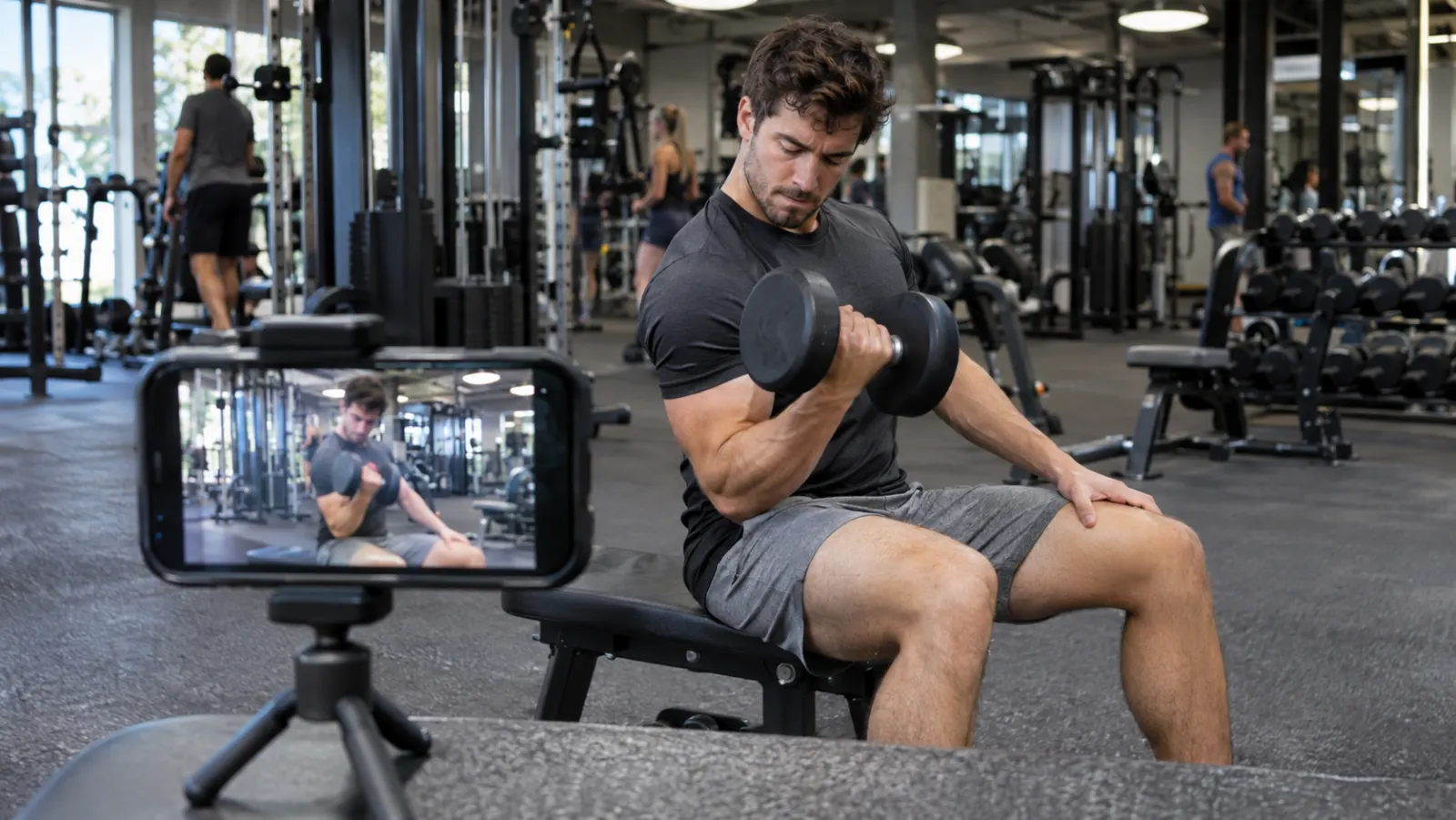
Short answer: you can’t know for sure by feel alone. The most useful everyday checks are to point your attention at the target muscle on lighter sets, control the weight through a full range of motion, notice which muscle gives out first near the end of a hard set, and not read too much into the pump or next-day soreness. If you want something firmer than feel, film your set and look at whether the target muscle actually stretches and shortens on every rep.
This guide covers checks you can use in your next session, why feel misleads even experienced lifters, and where video measurement fits in. It is general training information, not medical advice. If something hurts, stop and talk to a qualified professional.
Why “I can’t feel it” is so common
Most gym exercises are shared jobs. A lat pulldown is driven by your lats, but your biceps, rear delts and the muscles around your shoulder blades all help. A bench press splits the load between your chest, front delts and triceps. Which one you notice most depends on your setup, your leverage, the load and where your attention is.
So “I only feel it in my arms” does not prove your lats did nothing, and “I feel it in my chest” does not prove your chest did most of the work. Feel is a clue, not a measurement.
Six checks you can do today
1. Point your attention at the muscle, on moderate loads
Thinking about the muscle you want to train can change how hard it works, at least at light to moderate weights:
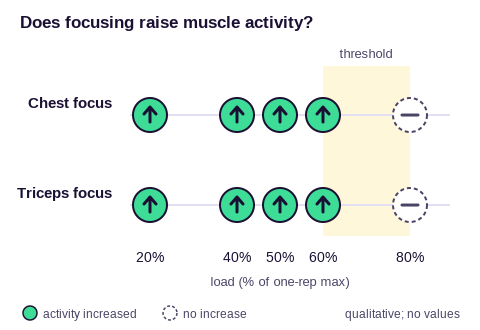
- Trained lifters who focused on their chest or their triceps during the bench press raised activity in that muscle at loads from 20 to 60% of their one-rep max, but not at 80% (Calatayud et al., 2016).
- Beginners who got a short technique instruction on the lat pulldown raised their lat activity, although their biceps activity did not drop (Snyder & Leech, 2009).
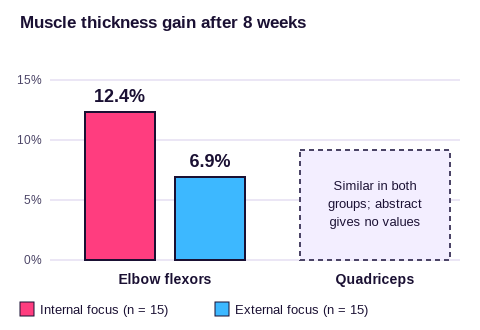
- Over 8 weeks, untrained men who focused on squeezing the target muscle gained more biceps thickness than a group that focused only on moving the weight. Quad growth was similar in both groups (Schoenfeld et al., 2018).
Try it: pick one cue per exercise and use it on your lighter sets. For pulldowns, “pull your elbows down toward your back pockets.” For chest press, “bring your upper arms together.” On your heaviest sets, focus on lifting well rather than on feeling.

2. Own the stretch: use a full range of motion
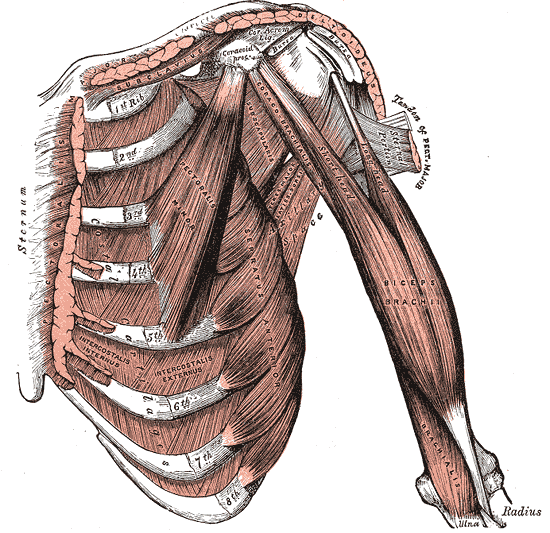
Research on range of motion finds small advantages for training through a full range, and a possible edge for partial reps done in the stretched position (Wolf et al., 2023). The practical point: the target muscle should be lengthening and shortening on every rep, not just twitching through the top few inches.
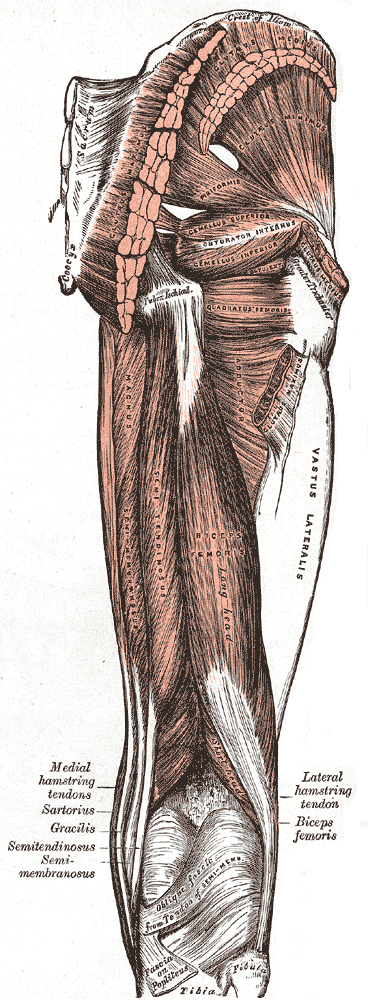

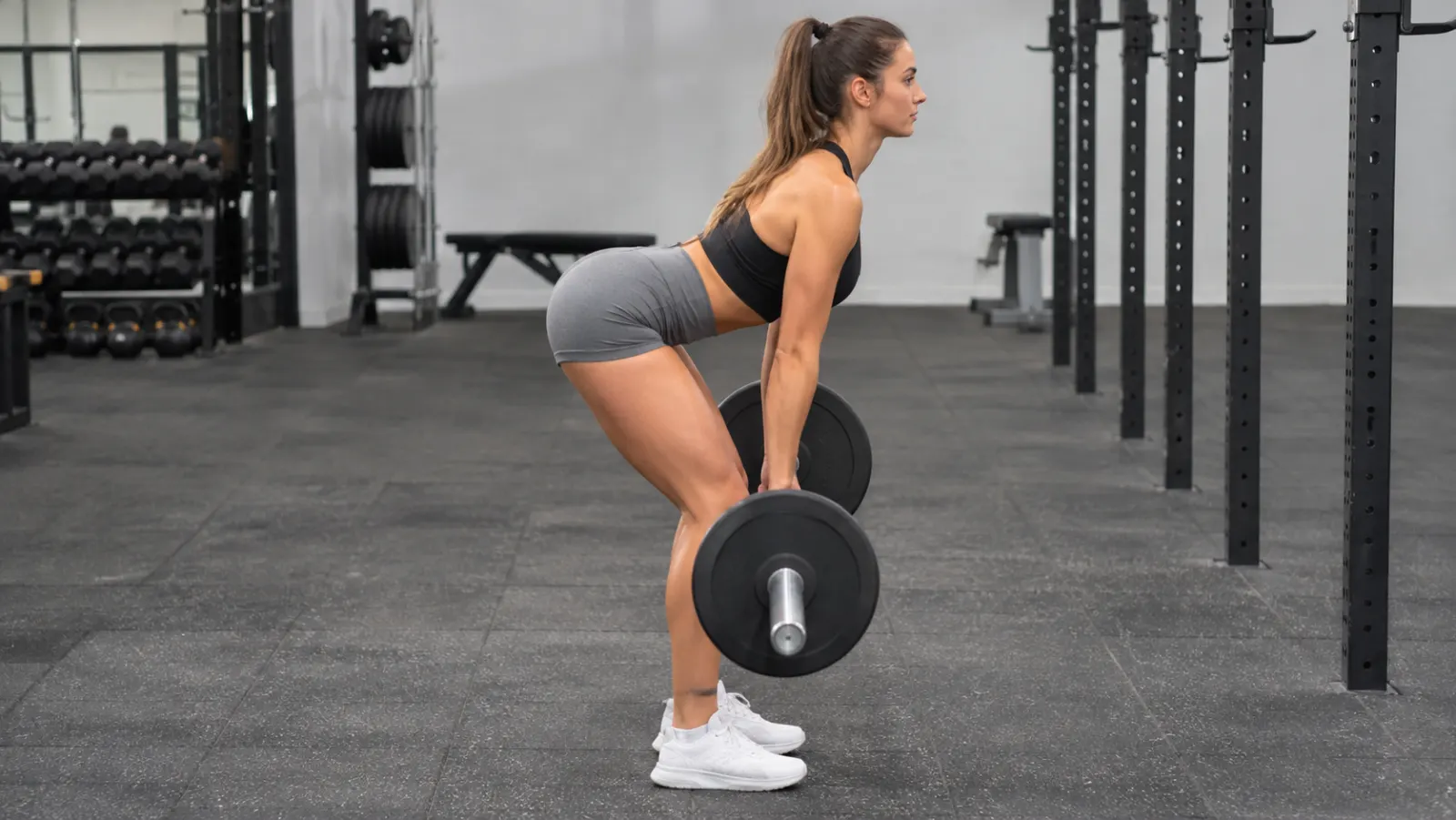
Try it: on pulldowns, let your arms straighten and your shoulder blades rise at the top of each rep. On a chest press, let your elbows travel back until you feel a stretch across your chest. If you can’t reach that position under control, the weight is too heavy for this check.
3. Slow the lowering, not the whole rep
A controlled tempo makes it easier to notice what’s working, especially while you lower the weight. You don’t need painfully slow reps to grow: a meta-analysis found similar muscle growth across rep durations from about half a second to 8 seconds when sets were taken to failure (Schoenfeld, Ogborn & Krieger, 2015).
Try it: lower for 2 to 3 seconds, pause briefly in the stretched position, then lift with control.
4. Notice what gives out first
Near the end of a hard set, something becomes the limit. If your grip or biceps quit on every set of pulldowns while your back still feels fresh, the set is probably ending before your lats get close to their limit. That’s useful information: try lifting straps, a different grip, or a machine that takes more of the arm work out.
Be honest about effort, too. People are imperfect at judging how close they are to failure; a review found that lifters tended to underestimate how many reps they had left, with wide differences between studies (Halperin et al., 2022).
5. Don’t treat the pump as proof
The pump, that tight, swollen feeling after higher-rep sets, tells you a lot of blood and fluid collected in the area you worked. Researchers have proposed that this cell swelling could play a part in muscle growth, but it remains a hypothesis rather than an established fact (Schoenfeld & Contreras, 2014). And a pump in your forearms after pulldowns only tells you your forearms worked hard. It doesn’t tell you what your lats did.
6. Don’t use soreness as a scorecard
Next-day soreness depends heavily on how new an exercise is to you and on individual differences. A review of the evidence concluded that soreness is not a valid indicator of muscle growth (Schoenfeld & Contreras, 2013). Being sore after a new back exercise doesn’t confirm your lats were the main driver, and not being sore doesn’t mean they weren’t.
Why feel is unreliable
All six checks have the same weakness: they depend on your perception.
- The work is shared. You tend to notice whichever muscle is most fatigued or most stretched, and that isn’t always the one doing the most work.
- Perception is noisy. If lifters misjudge how close they are to failure, it’s no surprise they misjudge which muscle is doing the work.
- Cues change the feeling, not always the result. In the 8-week study above, focusing on the target muscle helped the biceps grow more but made no difference for the quads.
- Even lab numbers need care. Surface EMG, the usual “activation” measurement in studies, is easy to over-interpret when comparing muscles or exercises (Vigotsky et al., 2018). Be skeptical of any single number, including the one in our app.
What logging apps can and can’t tell you
Workout logs like Strong and Hevy are good at what they’re built for: you record your exercises, weights and reps, and they keep your history and help you track progressive overload. They don’t look at your body during the set, so they can’t tell you whether the lat pulldown you logged was mostly lats or mostly arms. Use them for the record. For the muscle question, use the checks above, or video.
How video measurement helps
Video gives you something outside your own head. Even without special software, filming one set from the side lets you check your range of motion and whether your reps get shorter as you tire.
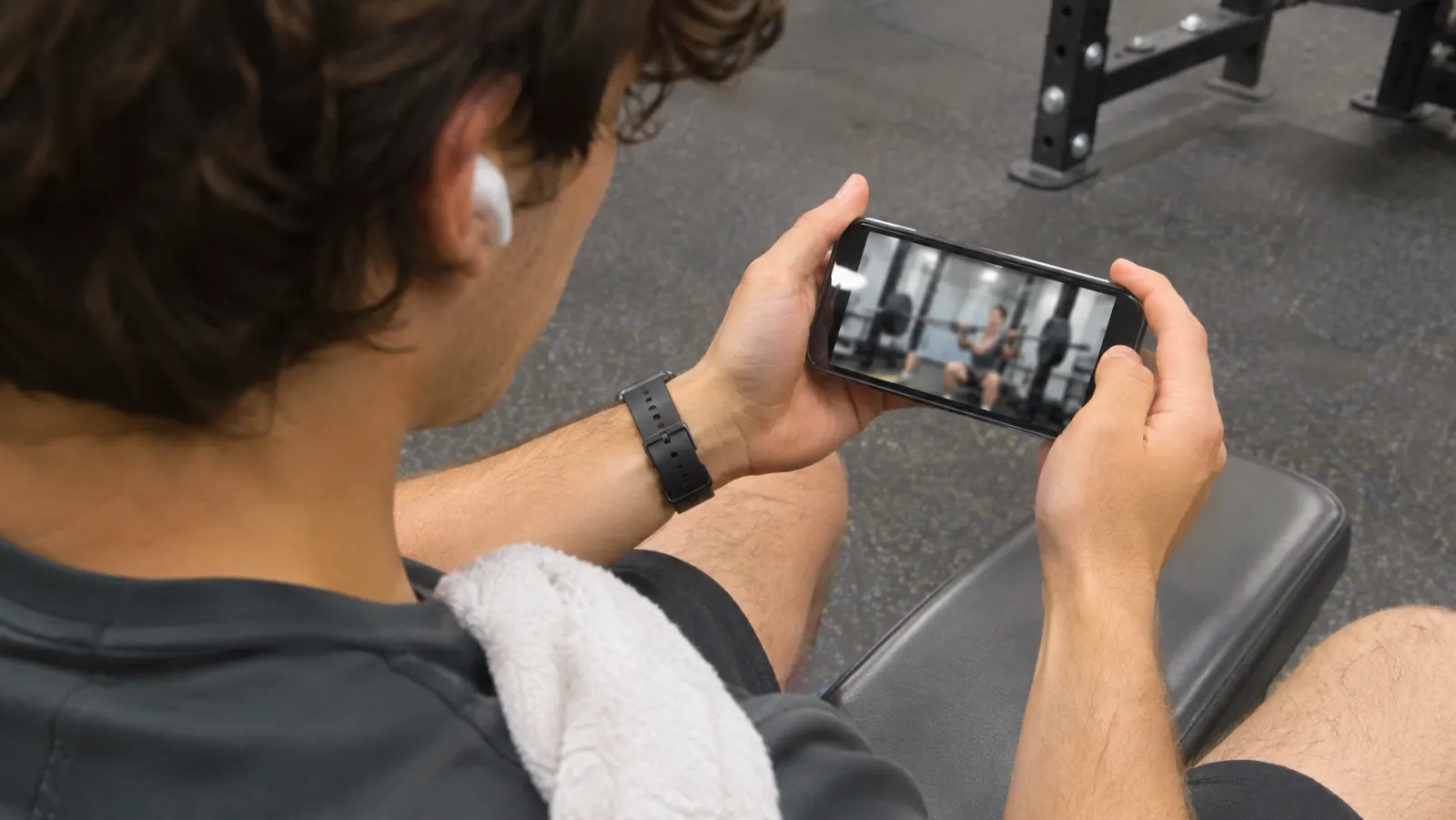
Pumpcheck, the app we’re building, goes a step further. You film yourself training with your phone, and the camera records your weight and reps automatically. The video is processed in the cloud, where Pumpcheck measures how the target muscle stretches and contracts on each rep. That gives you an estimate of how well the target muscle worked, set by set, instead of a guess.
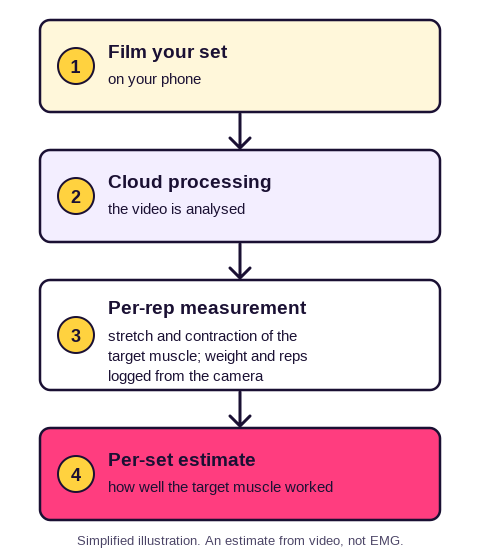
It is an estimate from video, not an EMG reading and not a medical assessment. Pumpcheck is still in development.
Get early access to Pumpcheck and check your next lat pulldown with more than feel.
Quick checklist
- Pick one cue per exercise and use it on your lighter sets.
- Use a full range of motion, lower with control, and pause briefly in the stretch.
- Notice which muscle gives out first.
- The pump and soreness are worth noticing, but they aren’t proof.
- When in doubt, film the set.